HORTUS

Client
Senn Resources AG
Project location
Basel, Switzerland
Project date
2025
Architect
Herzog & de Meuron (CH)
Lighting designer
Reflexion
Photos
Isabel Bechter
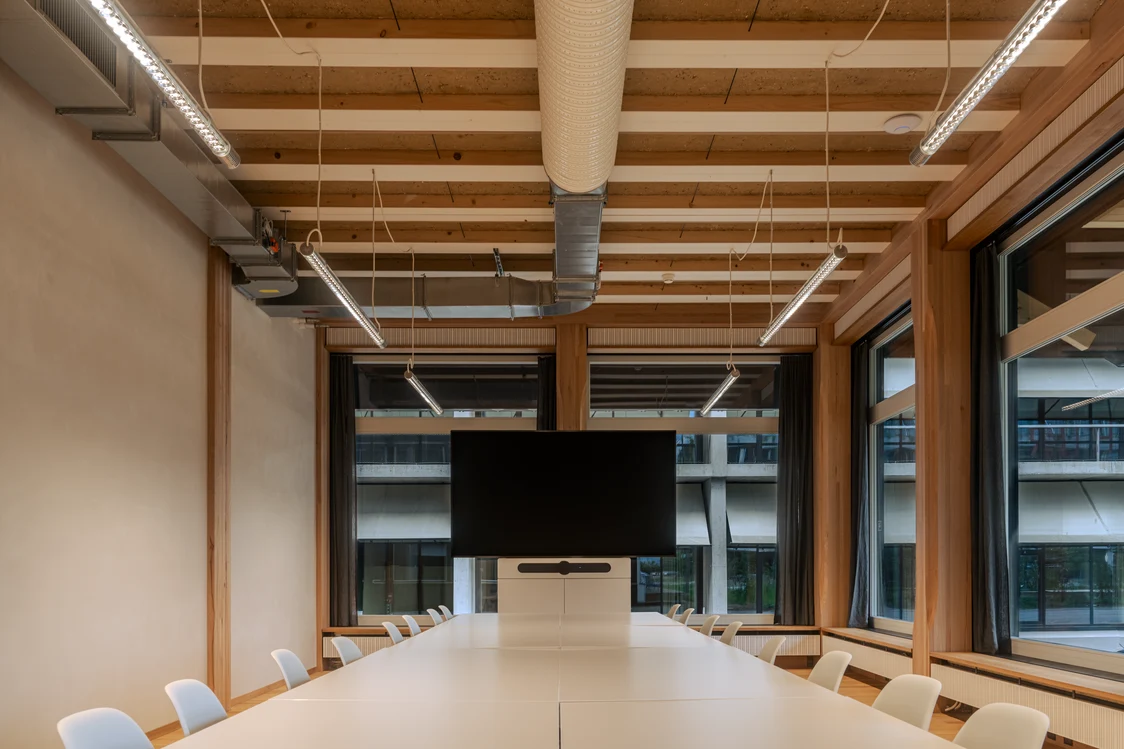
HORTUS: a pioneering project
In the Switzerland Innovation Park in Allschwil, a world-leading cluster in the life sciences industry is being developed. The HORTUS office building is part of the project. Hortus stands for House of Research, Technology, Utopia and Sustainability. These are pioneering attributes of an influential generation of technology and science companies. And they align perfectly with the values of the Zumtobel Group. A distinctive feature is the strongly emphasised sustainability. This necessitates new approaches in development and the creation process. Requires creativity, a willingness to innovate, high-quality expertise, and intelligent partnerships. Not only in construction, but also in the individual materials and in the collaboration of experts.
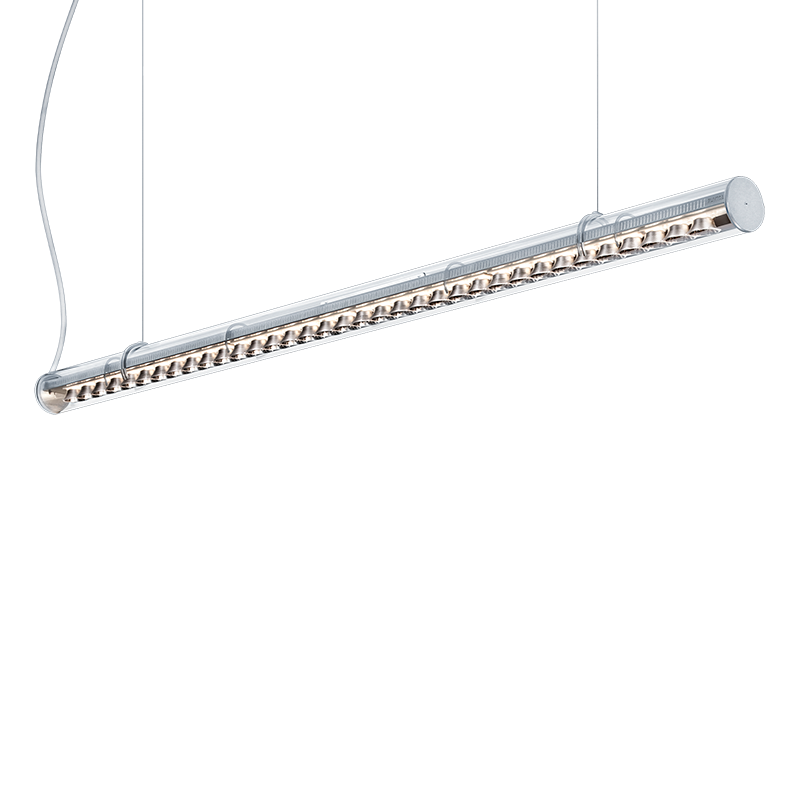
The emergence of SOLENA
For an ecological and economically efficient lighting solution, an interdisciplinary agile development process was essential. The lighting plane designed by Herzog & de Meuron and Reflexion beneath the ceiling imposed additional requirements on the luminaires. Simple and elegant aesthetics. Lighting technology perfection. High efficiency with high lumen output. No glare. The solution: A tubular luminaire, mounted horizontally.
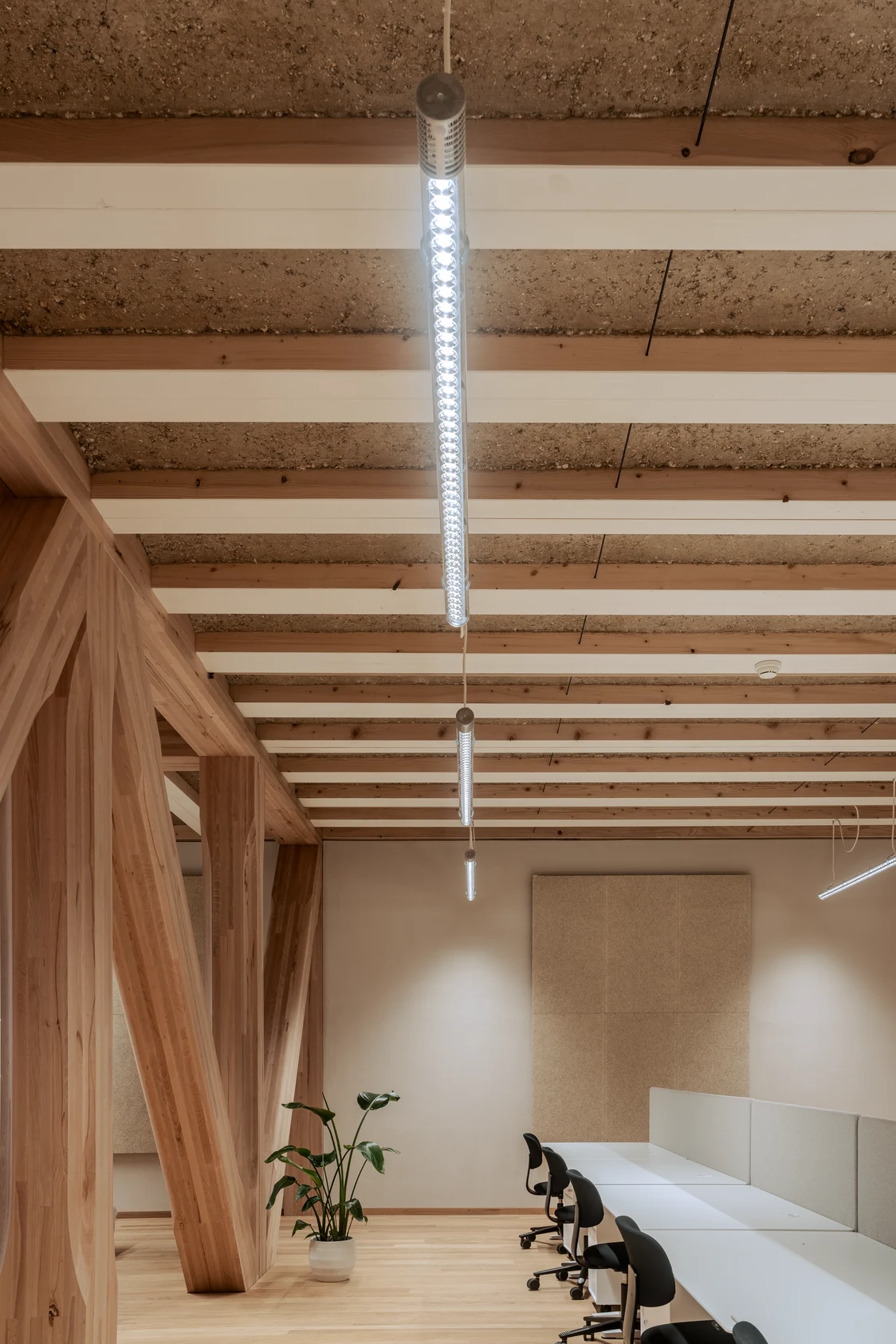
Lighting for the workplace
Functionally essential. Energy-efficient when intelligently controlled. When used effectively, it enhances the working environment. It therefore plays a key role in driving creative, innovative, and extraordinary results. And for the well-being and health of humans. Aesthetically, the light fixture integrates seamlessly into the room's architecture. Pure materials. Minimal. Ensuring consistent sustainability also places new demands on lighting design and luminaires.
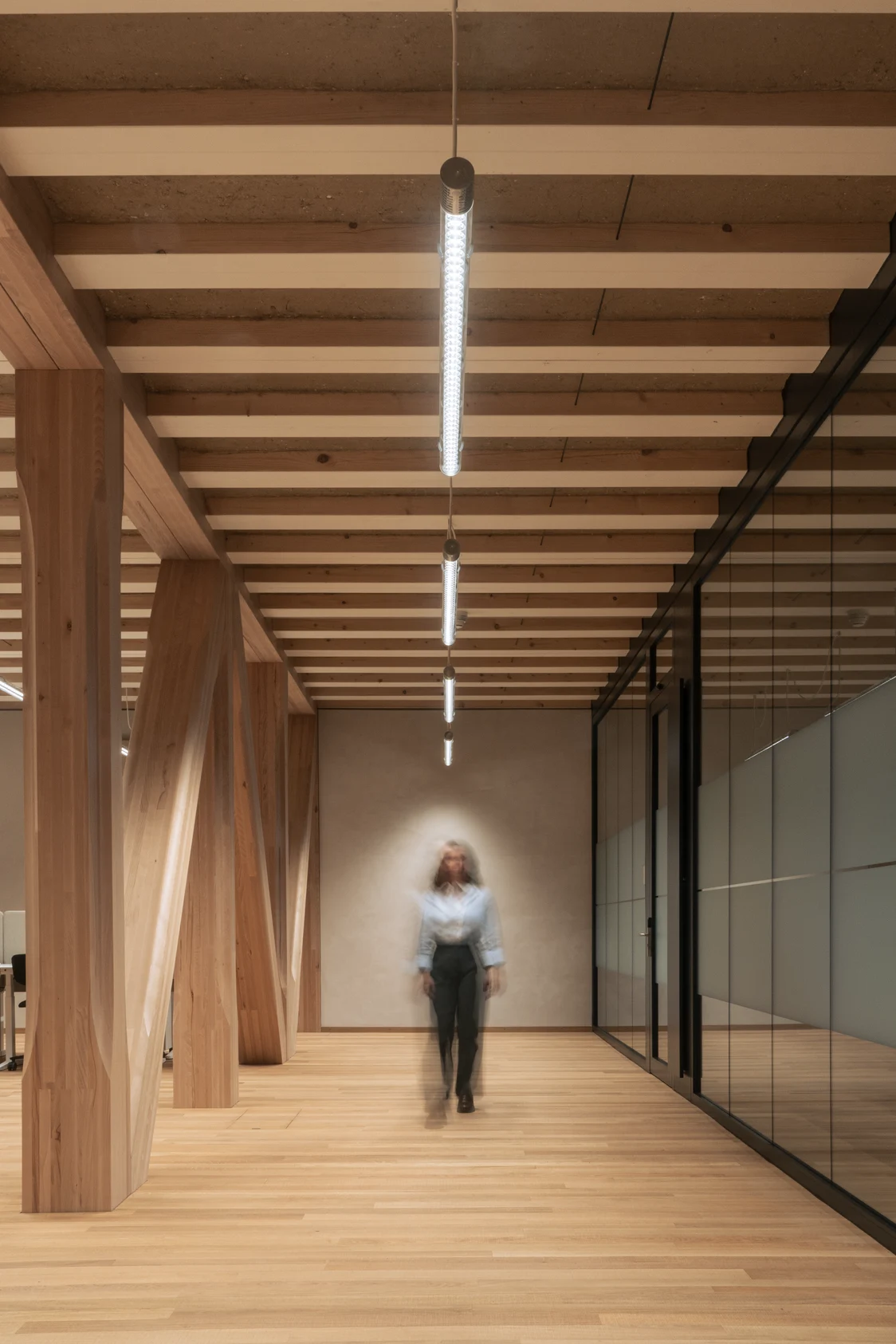
Sustainable lighting controls
One requirement was the integration of smart sensors. These control the lighting, depending on whether and where people are present in the room. Typically, the lights in rooms go on when individuals enter them. With HORTUS, the sensors measure daylight on the one hand and the movement of people on the other. This means that the light is managed in a specific and optimal manner. It is correctly dosed exactly where it is needed. Light as an ecologically significant factor. In addition, the sensors provide additional data on acoustics, temperature, or CO2 consumption.

"In engaging with sustainability, unexpected and surprising architecture emerges, possessing a beauty of its own."
says Jacques Herzog, Herzog & de Meuron