Human Centric Lighting
Lighting designed around people
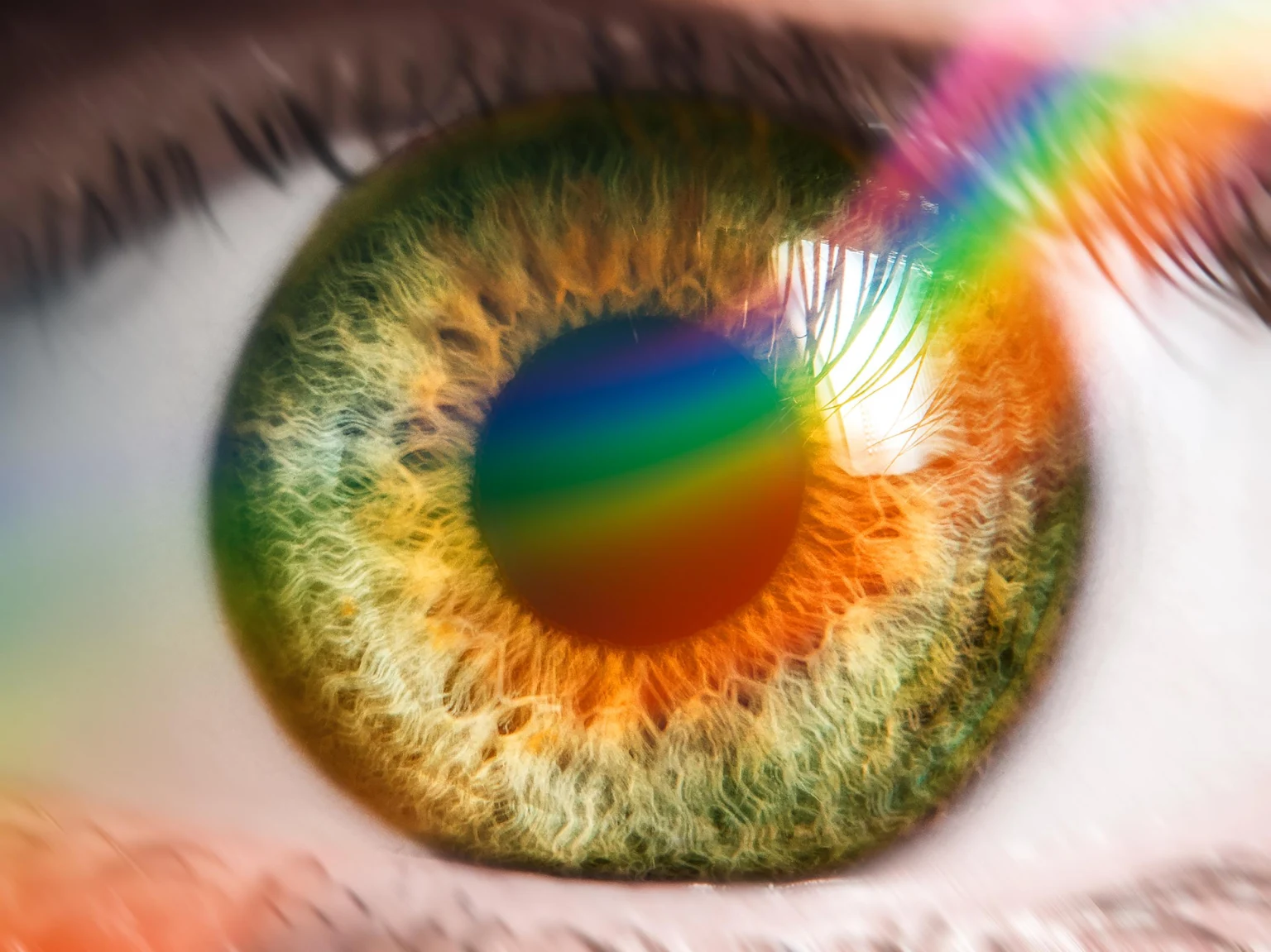
Light influences how we see, feel, and perform. Human Centric Lighting solutions combine scientific insights with innovative technology to create lighting environments that support well-being, comfort, and productivity throughout the day.
Three effect of light. One human-centred lighting concept.
Visual comfort
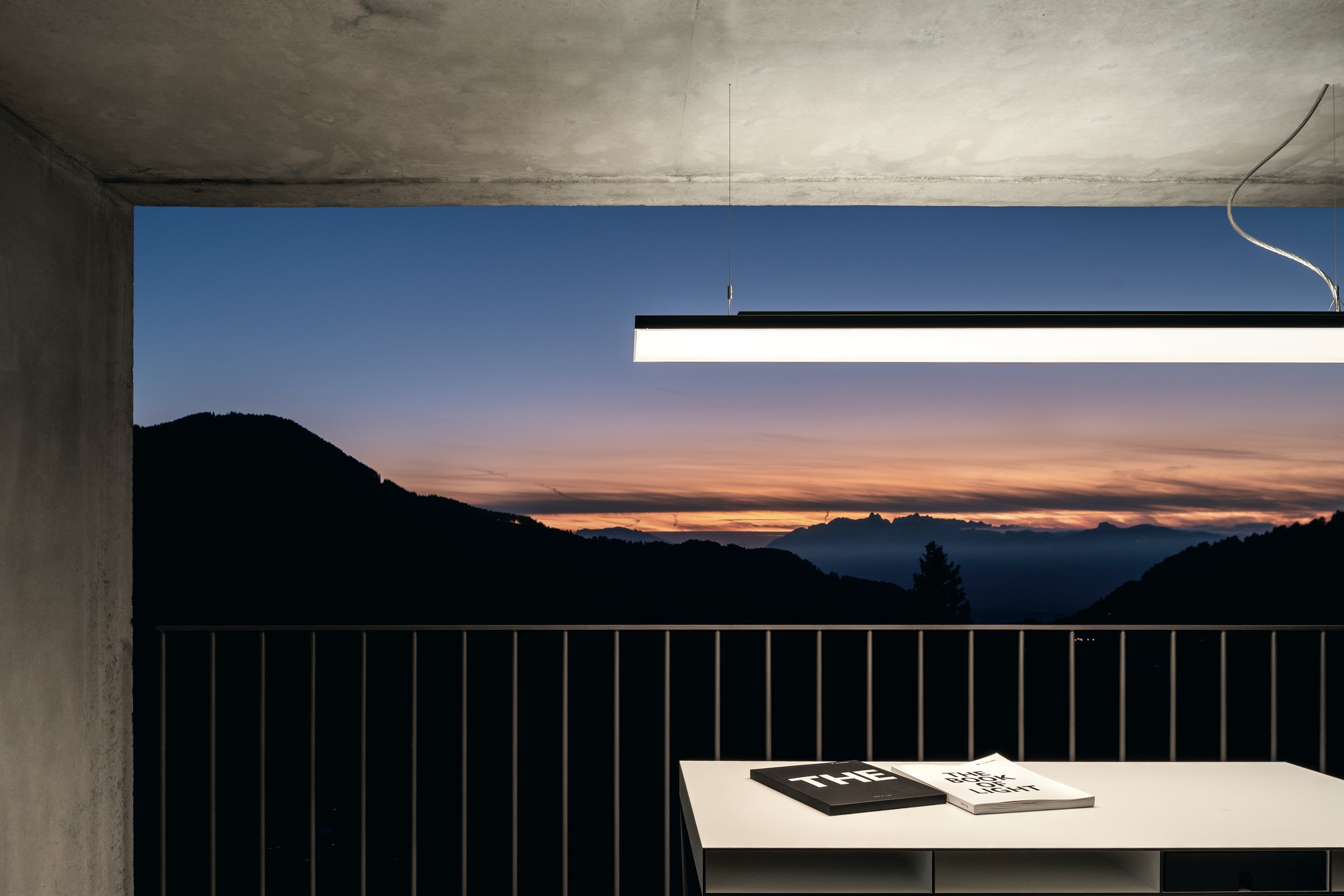
Good light begins with reliable visual performance. Balanced illuminance, glare control and clear spatial perception create the conditions for focused work, orientation and safety.
Atmosphere and well-being
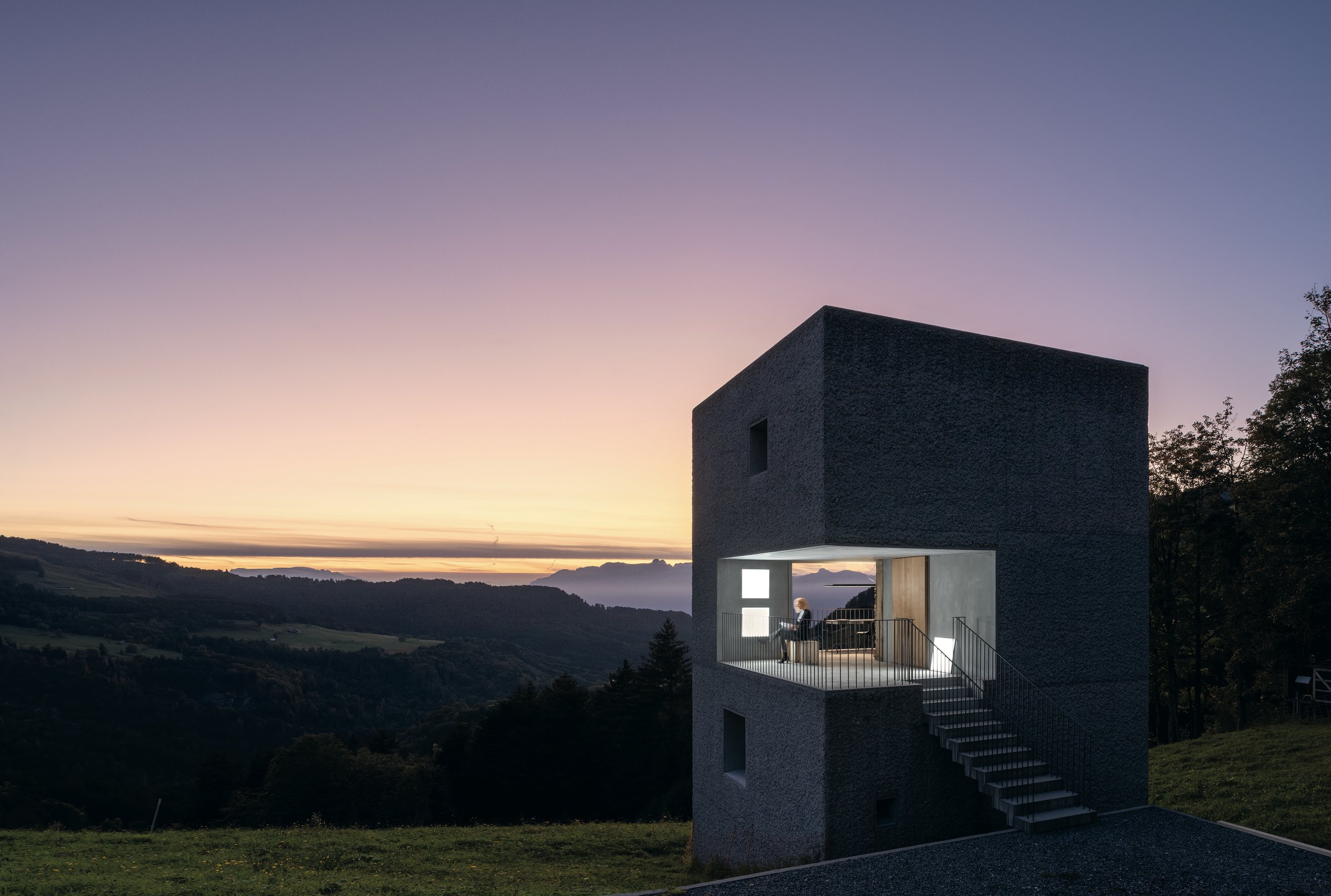
Light influences how a space feels. Brightness, colour temperature, contrast and distribution can create calm, focus, openness or energy — supporting the character of each environment.
In the body’s rhythm
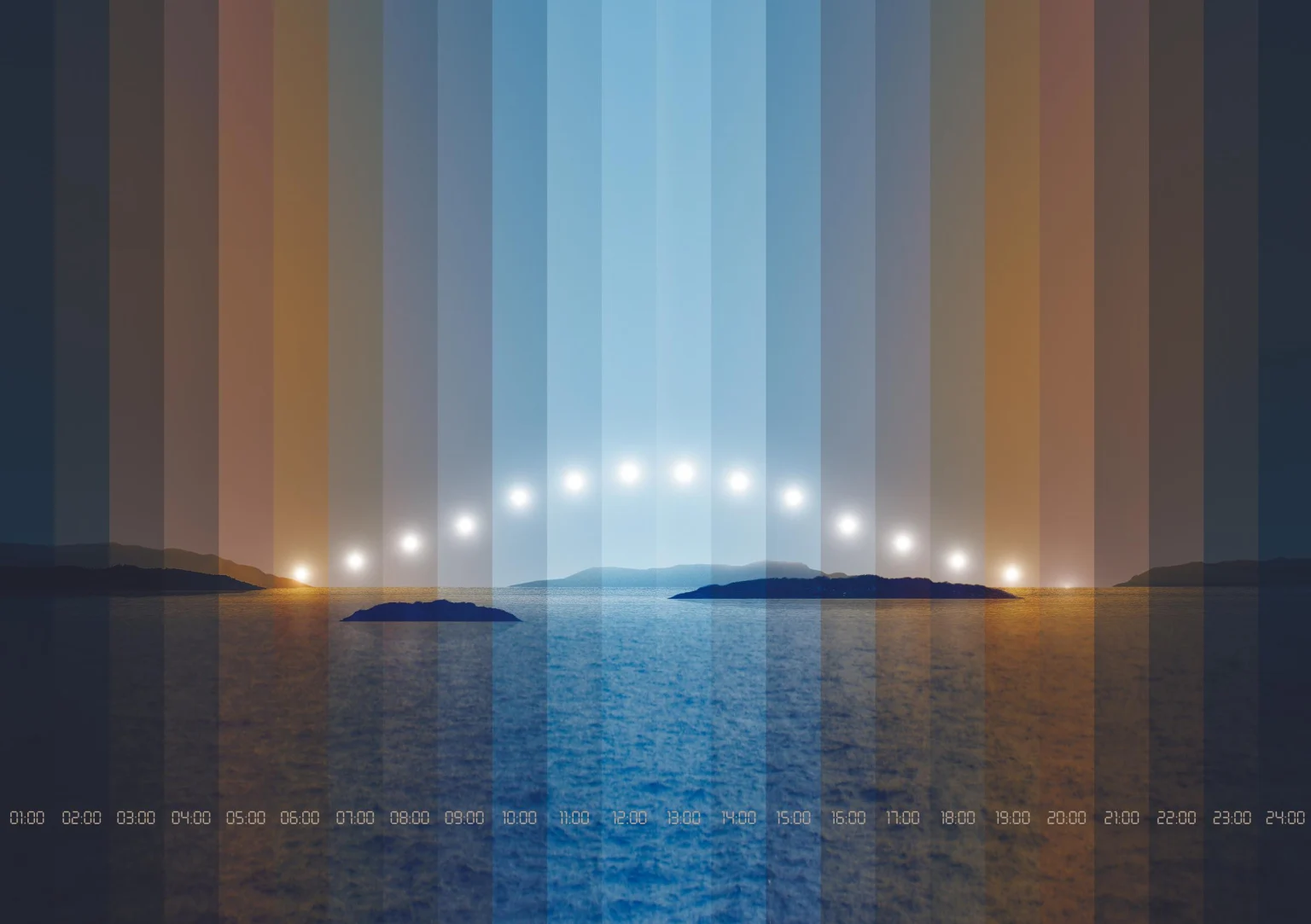
Light also affects the body beyond vision. Dynamic lighting concepts can support alertness, regeneration and the natural day-night rhythm.
Zumtobel Spectrum
When the invisible matters
Zumtobel SPECTRUM brings artificial light closer to the quality of natural daylight. Its harmonised light spectrum reduces the typical blue peak of standard LEDs while maintaining brilliant, high-quality white light. The result is light that feels natural, supports relaxed seeing and helps create environments for focus, comfort and well-being. As part of a Human Centric Lighting approach, SPECTRUM adds a deeper dimension to light quality — beyond what is visible to the eye.
The technologies behind Human Centric Lighting
Zumtobel combines advanced luminaires, spectral expertise and intelligent controls to make Human Centric Lighting applicable in real projects — from simple tunableWhite scenarios to biologically effective lighting concepts with documented planning parameters.
Where Human Centric Lighting creates value
Focus, comfort and collaboration
Modern offices are becoming spaces for collaboration, creativity, and communication, while employees spend most of their day indoors with limited daylight.
Human Centric Lighting supports different work activities by providing cool, energizing light to improve focus and warm, comfortable lighting for meetings and informal collaboration. Dynamic lighting that follows natural daylight also helps support the body's circadian rhythm.
Combined with intelligent lighting controls, it creates energy-efficient workplaces that enhance employee well-being while reducing operating costs.
Enhancing Learning with Light
Learning requires focus, motivation, and adaptability throughout the day. Human Centric Lighting supports different classroom activities with energizing light for concentration and warmer lighting for group work, presentations, and creative tasks. It also provides a comfortable environment for teachers and even, high-quality illumination across the classroom.
Flexible lighting concepts can further support inclusive learning by addressing diverse needs and learning styles.
Supporting daily rhythms
Healthcare benefits greatly from Human Centric Lighting. Dynamic lighting supports patients' natural circadian rhythm, promoting comfort and recovery, while providing medical staff with optimal lighting for accurate, efficient care. It also improves well-being in senior care by creating a more natural daily light cycle.
Better conditions for demanding tasks
Healthcare benefits greatly from Human Centric Lighting. Dynamic lighting supports patients' natural circadian rhythm, promoting comfort and recovery, while providing medical staff with optimal lighting for accurate, efficient care. It also improves well-being in senior care by creating a more natural daily light cycle.